Leverantör: Trees.com
Minikin Japanese Hemlock Shrub
Beskrivning
A charming, textured addition to your landscape
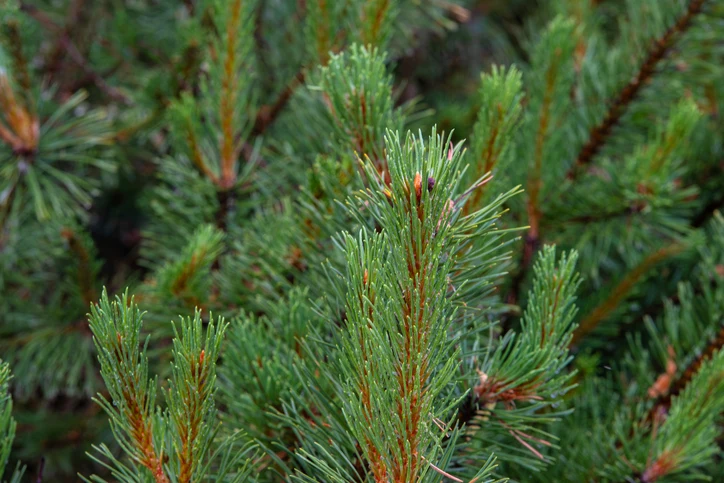
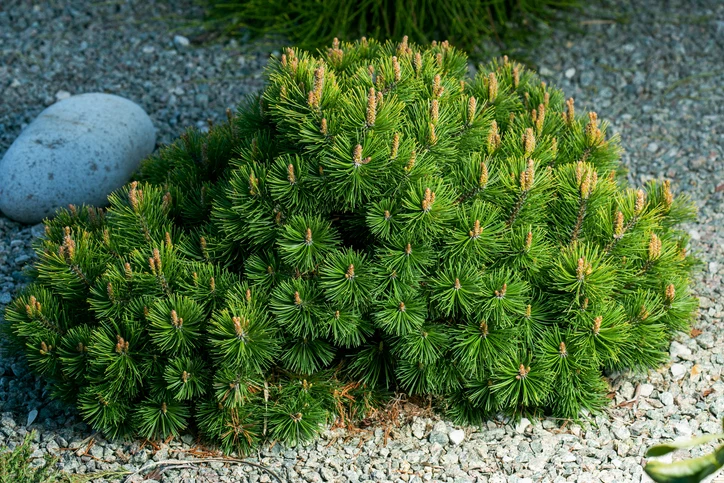
The 'Minikin' cultivar of Tsuga diversifolia presents an enchanting display of small, wide, blunt-tipped needles that rest at various angles along its shoots. This delightful arrangement occasionally reveals the silvery undersides, creating a beautifully layered, fully dressed look that adds depth to your garden. Young plants take on a globe shape, while mature specimens grow into a more vigorous oval form, making it suitable for a variety of spaces—whether as a centerpiece or a lovely accent.
Planting 'Minikin' offers not just aesthetic appeal but also a low-maintenance nature that fits seamlessly into many landscape designs. Its compact size and graceful form make it a perfect choice for small gardens or as part of a mixed border, while its evergreen foliage ensures year-round interest. This shrub enhances your outdoor living space, bringing texture and visual richness to any setting.
Planting & Care
1. Planting: Plant or repot within 4 weeks of arrival. Choose a location with partial shade to full shade, as this shrub prefers cooler conditions. Ensure the soil has good drainage, and consider amending it with organic matter before planting. Space multiple plants 2-3 feet apart to allow for growth and airflow.
2. Watering: Keep the soil consistently moist but not soggy, especially during dry spells. Water regularly, especially in the first year after planting, to establish strong roots. Mulching around the base can help retain moisture and regulate soil temperature.
3. Pruning: Minimal pruning is needed, but you may lightly shape the plant or remove any dead or damaged branches in early spring. This will maintain its natural form and encourage dense growth. Avoid heavy pruning, as this can disrupt its lovely silhouette.
4. Fertilizing: Apply a balanced, slow-release fertilizer in the spring to promote healthy growth. Follow the manufacturer's instructions for application rates based on the shrub’s size. Avoid fertilizing late in the season, as this can encourage new growth that may be susceptible to winter damage.